Dry Fly Fishing in Hokkaido
The dry fly fishing season in Hokkaido generally runs from late May to mid-October. While a few species can be caught on dry flies throughout the year, this article focuses on the typical dry fly season that most visiting anglers will experience.
May is one of the most unpredictable months in Hokkaido. One day it may snow, while the next can be warm enough to leave your jacket behind. These rapid changes in weather have a direct impact on trout behavior. As water temperatures rise and fall, trout adjust their activity levels and feeding habits accordingly. Conditions can change so quickly that even experienced local anglers often find May difficult to predict.
By June, water and air temperatures become much more stable, marking the true beginning of Hokkaido’s dry fly season. Consistent insect hatches encourage trout to feed actively on the surface, making this one of the best times of the year for dry fly fishing.
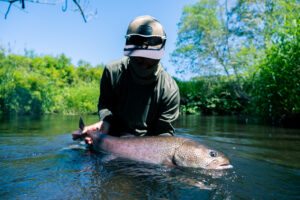
From late July through late August, many rivers experience lower water levels and warmer water temperatures. Some trout become less active during this period. However, insect activity is at its peak, and anglers who understand where fish hold in the river can still enjoy outstanding dry fly fishing—including opportunities to catch trophy-sized trout.
In September, cooler weather returns and water temperatures become more stable, bringing renewed trout activity. By mid-October, air temperatures drop significantly, insect hatches begin to disappear, and the dry fly season gradually comes to an end.
Hokkaido also has several unique characteristics that make its dry fly fishing different from anywhere else in the world. We’ll explore those in our next article—stay tuned!